Renters insurance can protect you when a disaster damages your belongings, but “disaster” is broader than what a standard policy covers. Fire, smoke, lightning, wind, and hail are commonly covered causes of loss. Flooding and earthquakes, however, are usually excluded and require separate coverage. That distinction matters as renters face heavier rain, strong storms, wildfires, and other climate-related risks in places that may not have seemed especially vulnerable before.
The safest answer is this: renters insurance may cover a natural disaster when the specific cause of damage is a covered peril under your policy. It does not automatically cover every event described as a natural disaster.
Which Natural Disasters Does Renters Insurance Usually Cover?
Most standard renters policies protect personal property against a defined set of perils. Common covered events include fire, smoke, lightning, windstorms, hail, and certain falling-object damage. If a tornado damages furniture or electronics inside your rental, that loss will often fall within standard coverage, subject to your deductible, limits, and policy wording.
Fire is another major example. If a wildfire reaches an apartment complex and destroys covered possessions, renters insurance will generally treat the loss as fire damage. A policy may also pay additional living expenses when a covered loss makes your home temporarily uninhabitable, helping with eligible costs such as a hotel or extra meal expenses.
Coverage is not identical across every insurer or state. Some coastal markets may have special wind or hurricane restrictions, separate deductibles, or different arrangements. Read the declarations, covered-perils section, endorsements, and exclusions rather than assuming one company’s rules apply everywhere.
Does Renters Insurance Cover Flooding?
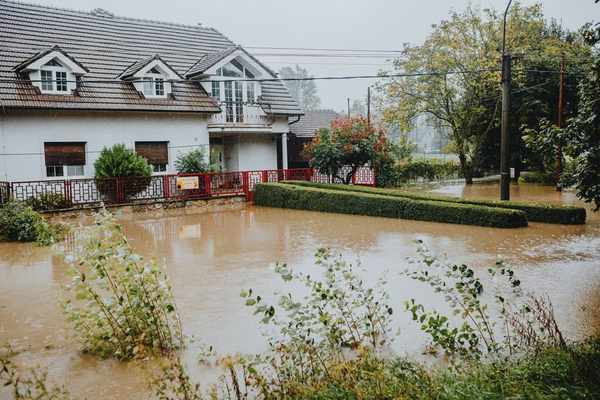
Standard renters insurance generally does not cover flooding caused by rising surface water, overflowing rivers, storm surge, or widespread runoff. This is one of the biggest gaps tenants should understand. A renter can lose thousands of dollars of furniture, electronics, clothing, and household items even when the landlord’s building is insured.
Renters can buy contents coverage through the National Flood Insurance Program in participating communities, and private flood insurance may also be available. Flood insurance for renters is designed to cover eligible personal belongings rather than the building itself.
Do not assume you are safe because your apartment is outside a high-risk flood zone. Flood losses also occur outside the highest-risk mapped areas. If you live on a ground floor, near a river, in a low-lying neighborhood, or in an area seeing more intense rainfall, reviewing flood coverage can be sensible.
What About Earthquakes?
Earthquake damage is generally excluded from standard renters insurance. If shaking causes a television to fall or furniture to break, you typically need separate earthquake coverage or an endorsement that specifically includes earthquake losses.
Availability varies by state and insurer, so an earthquake coverage tenant should check the deductible, personal-property limit, exclusions, and whether additional living expenses are included. Exact policy language matters because related earth-movement hazards can be treated differently.
Does Renters Insurance Cover Hurricanes?
Hurricanes create more than one type of damage, and insurance treats those causes separately. Wind damage is commonly covered by renters insurance, although special rules may apply in some coastal areas. Flooding and storm surge are generally not covered by a standard renters policy.
Consider a practical example. A hurricane breaks an apartment window and wind-driven debris damages your belongings. That may be handled under the renters policy if wind is covered. If storm surge then enters the apartment and ruins more property, that portion would generally require flood coverage. For hurricane insurance, renters should think in terms of wind protection plus separate flood protection rather than one universal “hurricane” benefit.
Other Disaster Risks Renters Should Check
Tornado and hail losses are commonly covered because they are normally treated as windstorm or hail events. Lightning-related losses may also be covered. Volcanic eruption is included as a covered peril in many standard forms, but earthquake and other earth movement associated with an event can still be excluded.
Landslides and mudslides are generally excluded from standard renters insurance. Sewer or drain backup may also require an endorsement. The source of water often determines coverage, so a burst pipe inside a building can be treated differently from floodwater entering from outside.
Useful related topics to review include renters insurance water damage coverage, how additional living expenses work after a covered claim, and creating a home inventory for insurance claims.
How to Check Your Coverage Before a Disaster
Start with the declarations page to confirm your personal-property limit and deductible. Then read the covered-perils and exclusions sections. Look specifically for flood, earth movement, windstorm, hurricane, sewer backup, and additional living expense provisions.
Create a home inventory with photos, serial numbers, receipts when available, and approximate replacement costs. Store a copy somewhere accessible if your phone or computer is damaged. Also check whether your policy pays replacement cost or actual cash value. Replacement-cost coverage can reimburse the cost of replacing eligible items, while actual cash value typically accounts for depreciation.
Ask your insurer a direct question: “What disaster losses could damage my belongings at this address that my current policy would not cover?” If flood or earthquake protection is missing, ask what separate policy or endorsement is available and when it takes effect.
Frequently Asked Questions
Does renters insurance cover wildfire damage?
Generally, yes. Fire and smoke are commonly covered perils, so personal belongings damaged by a wildfire may be covered subject to policy limits, exclusions, and the deductible. Additional living expenses may also apply if a covered fire makes the rental uninhabitable.
Does renters insurance cover a flooded apartment after heavy rain?
Usually not when the damage is caused by rising surface water or a broader flood. Standard renters insurance generally excludes flood losses, so separate flood insurance is needed for eligible personal-property damage.
Is earthquake coverage included in renters insurance?
Usually no. Standard renters policies generally exclude earthquake damage. Depending on where you live and the insurer, protection may be available through an endorsement or separate policy.
Will my landlord’s insurance replace my belongings after a natural disaster?
Normally no. A landlord’s insurance is primarily designed to protect the building and the landlord’s interests. Your own renters policy, along with any needed flood or earthquake coverage, protects eligible personal belongings.
Protect Against the Cause, Not Just the Disaster Name
The key question is not simply whether renters insurance covers natural disasters, but which peril caused the loss. Fire, lightning, wind, and hail are often covered, while flood and earthquake usually require separate protection. Hurricanes can involve both covered wind damage and excluded flood damage in the same event.
Reviewing those distinctions before a warning is issued gives you time to close gaps, document belongings, and understand your deductible. A few minutes spent reading the exclusions page can prevent a costly surprise when a storm, wildfire, flood, or earthquake reaches your neighborhood.