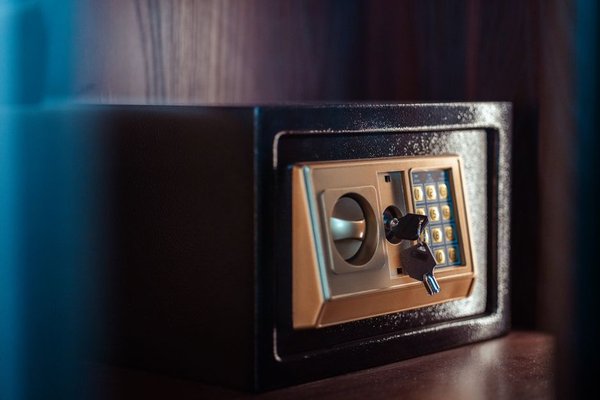
If you rent an apartment and work or study from a laptop, your electronics may be worth more than most of the furniture around them. A laptop, phone, monitor, tablet, headphones and gaming console can easily represent thousands of dollars in personal property. The good news is that renters insurance generally treats electronics as personal belongings, so they can be covered when they are stolen or damaged by a peril listed in your policy. The catch is that coverage depends on why the damage happened, where the device was, your policy limits and whether the equipment is personal or business property.
How renters insurance usually covers electronics
Standard renters insurance normally includes personal property coverage. That coverage can help repair or replace belongings such as laptops, smartphones, televisions, tablets, cameras and gaming systems after a covered loss. Common covered causes may include theft, fire, smoke, vandalism, lightning and certain kinds of water damage, such as water escaping from plumbing. Exact covered events vary by policy, so the policy wording matters more than a general list.
When your laptop or phone may be covered
Theft from your apartment
If someone breaks into your rental and steals your laptop or phone, theft is commonly a covered peril under renters insurance. You would still be responsible for your deductible, and payment would be subject to the personal property limit and any special limits in your policy. For phone theft coverage, keep proof of ownership whenever possible, such as receipts, order confirmations, serial numbers or photos.
Theft away from home
Many renters policies also provide off-premises protection for personal belongings. That can matter if a backpack containing your laptop is stolen from a hotel room, vehicle or campus building. However, off-premises coverage can be subject to different limits or conditions. Before assuming your full personal property limit follows you everywhere, check the declarations page and policy language.
Fire or certain water damage
Electronics damaged by a covered fire, smoke event or certain sudden water losses may also qualify for a claim. Suppose an upstairs tenant accidentally causes water to pour through your ceiling and ruin a monitor and personal laptop. If the water damage falls within your policy’s covered causes, your personal property coverage may respond after the deductible.
What renters insurance usually does not cover
Renters insurance is not the same as an extended warranty or all-purpose gadget protection plan. Dropping your phone on the pavement, spilling coffee on a laptop, losing a device, damaging it through normal wear, or dealing with an internal mechanical failure is generally not what standard renters insurance is designed to cover unless your insurer offers a specific endorsement that changes the terms.
Flood and earthquake losses are also commonly excluded from standard renters policies. Separate coverage may be available depending on where you live. If your main concern is accidental screen damage, compare renters insurance with dedicated device protection rather than assuming both products solve the same problem.
Replacement cost versus actual cash value
One of the biggest differences in an electronics claim is how the policy values your property. Actual cash value coverage generally accounts for depreciation. A three-year-old laptop may therefore be valued at less than the cost of buying a comparable new model today. Replacement cost coverage is designed to reimburse the cost of replacing covered property with similar new property, subject to the policy terms and limits.
For tech-heavy households, replacement cost coverage can be especially useful because a used phone or computer may have a low depreciated value even though replacing it is expensive. When comparing laptop insurance renters options, check the valuation method, deductible and total personal property limit together.
Remote workers should check the business-use rules
A personal laptop used occasionally for school or remote employment may not raise the same issues as equipment owned by a business. Renters policies can place limits on property used primarily for business, and home-based business equipment may need an endorsement or separate business policy. If you own an expensive workstation, multiple monitors, cameras or other professional gear, ask the insurer how the policy defines business property.
A practical example: imagine you have a $2,000 personal laptop, a $1,200 employer-owned laptop and $3,000 of camera equipment used for freelance work. Those items may not all be treated the same way. The employer-owned device may be covered by the employer, while freelance equipment could be subject to business-property restrictions. Listing each device by owner and use before you buy coverage can prevent a frustrating surprise during a claim.
Check your limits before you assume you are fully protected
Your total personal property limit should be high enough to cover more than electronics; clothing, furniture and other belongings count too. If you own unusually expensive electronics, ask whether extra coverage, scheduling or an endorsement is available.
Create a simple home inventory with the device name, purchase date, approximate value, serial number and a photo. Store a copy somewhere you can access even if your phone or computer is lost. This is one of the most useful steps for students and remote workers because it gives you a clear picture of how much technology you actually need to insure.
Related topics worth reading include replacement cost versus actual cash value, how renters insurance deductibles work, and renters insurance for high-value personal property.
Frequently asked questions
Does renters insurance cover a broken laptop screen?
Usually not when the screen breaks because you dropped the laptop or caused accidental damage yourself. Standard renters insurance generally responds to covered perils rather than routine accidents. An electronics endorsement or separate device plan may offer broader protection.
Does renters insurance cover a stolen phone?
It can. Theft is commonly covered, including in many situations away from home, but the deductible, policy limits and off-premises terms still apply. Review your specific policy before relying on it as your only phone theft coverage.
Will renters insurance replace my laptop with a brand-new one?
That depends on whether you have replacement cost or actual cash value coverage. Replacement cost coverage can pay toward a comparable new replacement after a covered loss, while actual cash value generally deducts for depreciation.
Do students need separate renters insurance for electronics?
Students living off campus should not assume a parent’s policy automatically provides full coverage. Some parental policies may extend limited protection to dependent students, while others may not fit the situation. Check the parent policy and compare it with a separate renters policy.
Protect the devices that actually matter to your budget
Renters insurance can be a strong first layer of electronics protection because laptops, phones and other personal devices are generally part of personal property coverage when a covered event causes the loss. The important step is matching the policy to the risks you actually have. Check covered perils, off-premises protection, deductibles, valuation method, business-use limits and the amount of personal property coverage. For a student or remote worker whose most expensive belongings fit inside a backpack, those details can matter far more than the value of the couch.