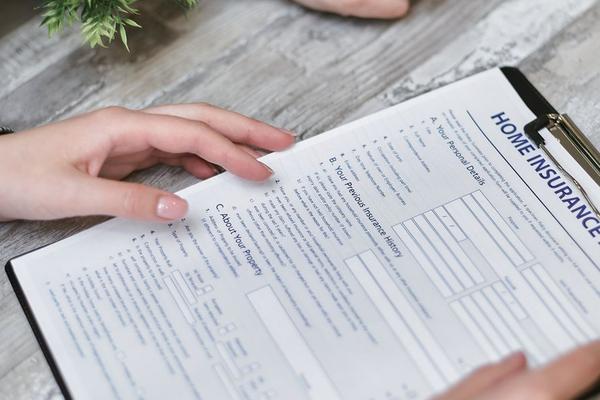
Renters insurance is one of the more affordable types of personal insurance, but the price can still vary more than many tenants expect. In 2026, current national rate analyses put the typical cost at roughly $165 to $170 per year, or about $14 per month. That is a useful benchmark rather than a guaranteed quote, because your ZIP code, coverage limits, deductible, claims history and other rating factors can move the price higher or lower.
A standard policy can protect personal belongings from covered losses such as theft or fire, provide liability protection, and help with additional living expenses if a covered claim makes the rental temporarily unlivable. The smartest comparison is therefore price versus protection, not price alone.
What Is the Average Cost of Renters Insurance in 2026?
A practical national benchmark for 2026 is about $14 per month. Current rate studies place the average renters insurance cost at roughly $165 to $170 a year. One widely cited 2026 analysis uses a sample policy with $30,000 in personal property coverage, $100,000 in liability coverage and a $500 deductible.
Small differences between national averages are normal because studies use different insurers, locations, customer profiles and policy assumptions. Instead of treating one number as the price everyone should pay, use the national average as a reference point when comparing your own quotes.
Why Renters Insurance Cost Changes by Location
Where you live can have a noticeable effect on your premium. Insurers consider local claim patterns and risks such as severe weather, theft and the cost of settling losses. In 2026 rate data, average annual premiums by state can range from around $120 in lower-cost states to more than $300 in higher-cost states.
City and ZIP code can matter too. A tenant in an area with frequent storm losses or higher theft claims may pay more than someone with similar coverage in a lower-risk location. Moving can therefore change your rate even if your belongings and coverage choices remain the same.
Coverage Limits Can Raise or Lower Your Premium
Personal property coverage is one of the clearest drivers of renters insurance cost. A renter who needs $20,000 of belongings coverage will generally pay less than someone who needs $50,000 or $75,000, all else being equal. Liability limits also matter, although increasing liability protection can sometimes cost less than renters expect.
Before choosing a limit, make a simple home inventory. Estimate the replacement value of furniture, clothing, electronics, kitchen equipment, sports gear and other possessions. Renters often underestimate the total because they think about expensive items individually rather than the cost of replacing nearly everything after a major covered loss.
Replacement cost versus actual cash value
Actual cash value coverage generally accounts for depreciation, so an older television or sofa may produce a smaller claim payment. Replacement cost coverage is designed to pay the cost of replacing covered property with comparable new items, subject to the policy terms and limits. It may cost more, but it can reduce the amount you have to fund yourself after a loss.
How Your Deductible Changes the Monthly Premium
Your deductible is the amount generally subtracted from a covered property claim before the insurer pays. Choosing a higher deductible often lowers the premium, while a lower deductible usually costs more. Common options may include $500 and $1,000, although available choices vary by company.
Consider a practical example. One quote costs $14 per month with a $500 deductible, while another saves $2 per month but has a $1,000 deductible. The cheaper option saves only $24 a year, yet you could be responsible for an additional $500 after a covered property loss. For a renter with limited emergency savings, paying slightly more each month may be the more comfortable choice.
Other Factors That Can Affect Your Rate
Insurers consider more than location and coverage. Previous insurance claims can affect pricing. In many states, insurers may also use credit-based insurance information, although rules differ and some states restrict or prohibit its use. Building features such as smoke alarms, sprinkler systems, security devices or controlled access may qualify for discounts with some companies.
Bundling renters and auto insurance is another common way to save. In some cases, the discount on the auto policy can offset a meaningful share of the renters premium. Paying annually instead of monthly may also avoid installment fees with certain carriers, so compare the total annual cost rather than looking only at the monthly payment.
How to Find Cheap Renters Coverage Without Cutting Too Much
The easiest way to overpay is to accept the first quote. Prices can vary substantially between insurers even when coverage looks similar. Compare at least three quotes using the same personal property limit, liability limit and deductible. Otherwise, a cheaper quote may simply provide less protection.
Also review sublimits and exclusions. Jewelry, collectibles, business property and some electronics may have lower limits under a standard policy. Flood damage is generally not covered by standard renters insurance, and earthquake protection may require separate coverage or an endorsement. Cheap renters coverage is only a good deal when it protects the risks that matter to you.
The monthly premium for tenant insurance can stay relatively low because the landlord’s policy generally covers the building itself, while your renters policy focuses on your belongings, liability and covered extra living expenses. That distinction helps explain why renters insurance usually costs much less than homeowners insurance.
FAQ
How much is renters insurance per month in the US?
In 2026, a typical national average is about $14 per month, or roughly $165 to $170 per year. Your actual rate can be lower or higher depending on location, coverage, deductible and insurer.
Is $20 a month expensive for renters insurance?
Not necessarily. A $20 monthly premium is above the current national average, but it may be reasonable in a higher-cost state, for higher property limits, a lower deductible or a renter with other rating factors. Compare several quotes with identical coverage before deciding.
Does a higher deductible make renters insurance cheaper?
Usually, yes. Raising the deductible often reduces the premium because you agree to absorb more of a covered property loss yourself. Make sure the deductible is an amount you could comfortably pay after an unexpected claim.
How can I lower my renters insurance cost?
Compare multiple insurers, ask about auto-and-renters bundling, review available safety discounts, avoid buying more personal property coverage than you need, and compare deductible options. Re-shop periodically because the cheapest company for one renter may not be the cheapest for another.
Final Takeaway
The average cost of renters insurance in 2026 is modest at roughly $14 per month, but that number is only a starting point. Location, personal property limits, liability protection, deductible, claims history and insurer pricing can all change your rate. Focus on getting the right coverage first, then compare equivalent quotes to find the best value. A policy that saves a few dollars but leaves a major protection gap can be far more expensive when you actually need to make a claim.