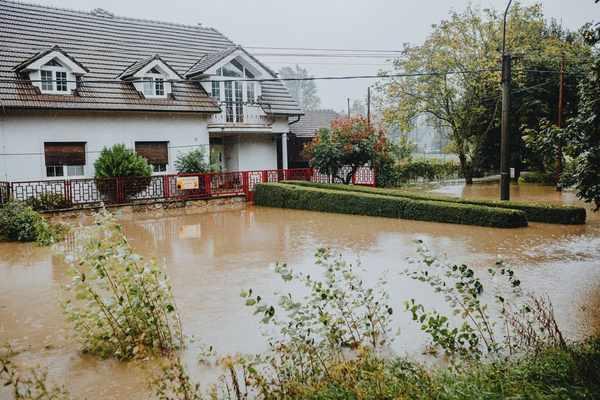
A wildfire closes the road to your holiday rental. An earthquake damages your hotel. Volcanic ash grounds flights hundreds of miles from the eruption. Travel insurance for natural disasters may help in each situation, but not necessarily through the same benefit. Coverage depends on what happened, the costs you lost, when you bought your policy and its specific wording.
Natural hazards extend beyond hurricanes. Floods, tsunamis, wildfires, earthquakes, volcanic eruptions and severe winter storms can all disrupt journeys. The useful question is not simply whether a disaster occurred, but how it affected your insured travel arrangements.
Which disasters and disruptions may qualify?
Natural disaster travel insurance is typically a collection of benefits in a wider policy, not blanket protection against every catastrophe. Some policies name natural disasters as covered reasons. Others require a particular consequence, such as an uninhabitable hotel, mandatory evacuation or prolonged suspension of transport.
An earthquake making headlines does not automatically justify cancelling a trip to an unaffected area. Conversely, a distant eruption could lead to an eligible flight-delay claim if volcanic ash shuts down your airport. Match the event to a specific policy trigger.
Trip cancellation before departure
Cancellation cover may reimburse eligible prepaid, non-refundable costs if a covered event stops your journey before it starts. Qualifying circumstances can include serious damage to booked accommodation, certain evacuation orders or a transport shutdown, depending on the contract.
Disaster trip cancellation does not usually cover a change of mind or anxiety about travelling. Even an official warning is not necessarily an automatic reason for reimbursement. Check what must happen before the benefit applies and request available refunds from suppliers. A trip cancellation insurance guide can help explain how non-refundable deposits are treated.
Trip interruption after you leave
Suppose flooding makes your resort unusable halfway through a ten-night stay. Interruption benefits may cover unused insured arrangements and some additional transport expenses when a covered reason forces you to return early or change plans.
Insurers often apply benefit limits and subtract supplier refunds. Do not assume every new hotel or last-minute flight will be reimbursed. Contact the insurer before incurring major replacement costs where it is safe and practical to do so.
Travel delays and missed connections
Storm damage, airport closures and ash clouds may strand you without ending your trip. Travel delay cover can help with reasonable meals, accommodation and essential purchases after a qualifying delay, often subject to a minimum waiting period.
Missed connections can have separate rules, particularly for independently booked tickets. Ask the airline for written confirmation of the disruption, and keep itemised receipts. A travel delay coverage guide can explain how delay benefits differ from cancellation cover.
Evacuation coverage: two very different benefits
Emergency medical evacuation
If an earthquake injures you, medical evacuation insurance may pay for medically necessary transport to an appropriate hospital. This is not necessarily a journey home or a flight chosen by the traveller. Medical assessment and approval by an assistance provider may be required.
Non-medical disaster evacuation
Moving an otherwise healthy traveller away from a wildfire or volcanic threat is a different service. Ordinary medical evacuation cover may not pay for it. Some specialist policies include disaster-related evacuation, with specific triggers, destinations and limits.
Read both sections carefully instead of assuming the word evacuation covers every emergency. When danger is immediate, follow local authorities first and contact the insurer when safe.
Why known-event exclusions matter
Insurance generally protects against unforeseen events, not losses that are already predictable. After a hurricane is named, a volcano erupts or an evacuation warning is issued, an insurer may consider certain resulting losses foreseeable. Buying a policy afterwards might not cover those losses.
A known event exclusion does not use one universal date for every disaster or insurer. Some contracts refer to public warnings, storm naming or other defined milestones. Buying early helps protect against later unexpected events, but cannot override an exclusion already applicable to your trip.
A known disaster also does not necessarily invalidate the entire policy: unrelated covered illnesses, accidents or travel problems may still qualify. Check the insurer’s wording and any event-specific notices.
Example: a wildfire affects a booked rental
Imagine booking a countryside holiday rental in February and purchasing suitable cancellation insurance immediately. In July, a wildfire prompts an official evacuation of the property’s location and the owner confirms it cannot receive guests. A claim may be possible if this matches your policy’s covered reasons and the rental provider will not refund the booking.
Change just one detail: you purchased cover after the evacuation was announced. The resulting loss may be excluded as a known event. Or suppose the fire is nearby, but the property remains safe, accessible and open. Choosing not to travel might not satisfy a standard cancellation trigger.
Preserve the original booking, payment receipt, evacuation notice, written property response and refund information. Together, they show both the disruption and the amount actually lost.
How to compare policies for disaster risks
Check the list of covered events, cancellation and interruption limits, delay waiting periods, evacuation definitions and known-event exclusions. Find out whether your destination falls under an official travel warning and whether travelling against that advice could restrict benefits.
If flexibility matters, optional cancel-for-any-reason cover is available in some markets. It normally reimburses only part of eligible losses and imposes purchase and cancellation deadlines. It should not be confused with comprehensive disaster protection.
Steps to take when disaster strikes
Prioritise safety and follow emergency instructions. Contact airlines and accommodation providers about refunds or rearrangements, then notify your insurer promptly. Before booking costly alternatives, ask whether approval is required.
Keep delay confirmations, official orders, invoices and receipts. Claims normally concern eligible unreimbursed expenses, not general disappointment or inconvenience. Good documentation makes it easier to demonstrate a covered cause and a measurable loss.
Frequently asked questions
Does travel insurance cover earthquakes or volcanic eruptions?
Sometimes. Coverage depends on the benefits purchased and whether the disaster causes a listed problem, such as damaged accommodation, cancelled transport or an eligible delay.
Can I cancel because a storm is forecast?
Not automatically. Concern about the forecast alone is usually insufficient. Your policy must recognise the reason, and a known-event restriction may apply.
Does insurance pay for mandatory evacuation?
Some policies cover specified expenses following an official order; others cover only medically necessary evacuation. Check the trigger, limits and approval requirements.
Can I buy cover after a disaster begins?
You may be able to purchase insurance, but losses connected to the existing disaster may be excluded. Protection for unrelated future events can still be available.
Conclusion
The right travel insurance for natural disasters depends less on dramatic event names than on the practical consequences for your journey. Buy cover early, distinguish cancellation from delay and evacuation benefits, and read known-event wording before you travel. Those checks can prevent expensive surprises when plans suddenly change.