Two businesses can occupy similar-sized buildings yet receive very different insurance quotes. One might run a quiet accounting office; the other, a restaurant with hot cooking equipment and frequent deliveries. Their commercial property insurance cost reflects more than floor area. Insurers examine what could be damaged, the likelihood of a covered loss and the potential cost of repairs or replacement.
Rather than relying on a generic price estimate, it helps to understand what drives your quote. That knowledge makes it easier to compare policies fairly and avoid reducing essential protection just to lower the bill.
The Value of the Building and Its Contents
Commercial property policies can cover buildings, business personal property or both, depending on the contract. Insuring an owned building is different from insuring stock and equipment inside rented premises. The more property at risk, the greater the potential claim, although the relationship between insured value and premium is not always proportional.
Rebuilding Cost Versus Market Value
A building’s sale price is not necessarily its rebuilding cost. Market value includes land and local demand; rebuilding estimates consider construction materials, labour, demolition and code requirements. Using an outdated estimate might make the commercial building insurance cost appear lower while leaving a serious coverage gap.
Ask how the insured value was calculated and when it should be updated. Understanding replacement cost versus actual cash value also matters because the two valuation methods can produce different claim payments.
Equipment, Inventory and Improvements
A design studio with a few computers has a different contents exposure from a retailer holding expensive stock. Prepare an inventory of equipment, fixtures and merchandise, including seasonal fluctuations. Tenants should also identify improvements they are responsible for insuring. Check separately for stock in transit or stored at another site.
Location and Exposure to Hazards
Where a building stands can affect its commercial property premium. Insurers may consider storms, wildfire, local theft and vandalism, as well as access to fire hydrants and emergency responders. Two buildings in the same city can have different exposures.
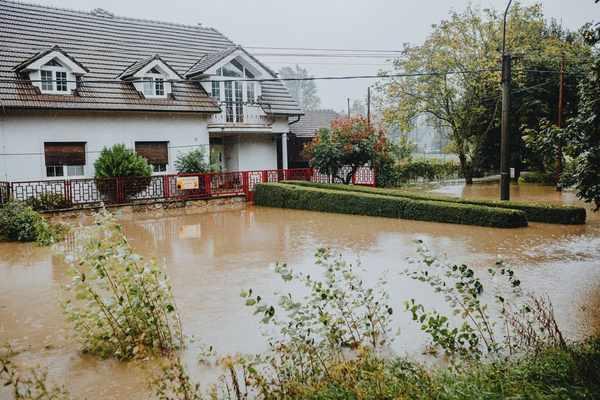
Flood and earthquake damage are commonly excluded under standard commercial property forms and may require separate coverage. Review the actual covered causes of loss rather than assuming a higher property coverage price includes every natural disaster. Special wind or named-storm deductibles can also change your out-of-pocket exposure.
Construction, Age and Condition
Building materials, roof condition, wiring, plumbing and maintenance history influence how a property may respond to fire or water damage. Fire-resistive construction can present a different risk from wood framing, although insurers assess the overall building rather than one feature alone.
An older property with documented electrical and roof upgrades may be evaluated differently from one with neglected systems. Keep repair invoices and inspection records available when seeking quotes. They give the underwriter useful evidence about the building’s current condition.
Business Activities and Occupancy
What happens inside matters almost as much as the building itself. An office, bakery, woodworking shop and chemical storage facility present different hazards. Equipment, storage practices and tenant operations can alter the insurer’s assessment even without changing the building’s physical size.
Tell your insurer about significant changes in use, such as adding commercial cooking to a former office. An inaccurate occupancy description can lead to disputes about coverage, not merely an incorrect premium.
Fire Safety and Security Features
Sprinklers, monitored fire alarms, smoke detection, burglar alarms and reliable fire service access may reduce the probability or severity of a loss. Their effect on business property insurance cost depends on the insurer’s rating approach and whether the systems meet its requirements.
Before paying for a new installation solely to earn a discount, ask your agent which improvements qualify and what documentation is needed. Risk reduction is worthwhile, but a premium saving should not be treated as guaranteed.
Coverage Limits, Deductibles and Policy Options
Higher limits generally allow for larger covered payments, subject to policy terms. Raising a deductible can reduce the premium but increases what you must fund after a claim. A deductible that looks manageable on paper may strain cash flow following a major loss.
Read the valuation provisions and any coinsurance requirements carefully. Insuring well below an applicable required value can affect the amount recovered on a claim. Some property types also have separate sublimits, exclusions or deductibles.
Optional protections may include equipment breakdown, ordinance or law coverage and business income insurance. These can affect overall cost while addressing losses a basic property policy may not fully cover. Business income protection is not automatically included in every policy. A guide to business interruption insurance can help explain its role.
Claims History and Insurer Differences
Previous losses, their causes and corrective action may influence underwriting. Repeated water-damage claims can prompt questions about maintenance, for example. Insurers also apply different pricing models and respond to changing regional loss patterns. That is why identical coverage requests may produce different offers.
A Practical Quote Comparison
Consider a bakery owner comparing two proposals. The cheaper policy values its ovens at actual cash value and carries a larger wind deductible. The more expensive option offers replacement cost for eligible equipment and an optional business income extension. The annual premium alone hides differences that could become costly after a serious incident.
Request quotes using consistent building values, contents estimates and descriptions of operations. Then compare covered perils, exclusions, deductibles, sublimits and settlement terms side by side. Review values when you renovate, buy major equipment or substantially increase stock.
Frequently Asked Questions
What is the average commercial property insurance cost?
No single average reliably predicts what your business will pay. Insurer-published averages reflect particular customer groups and policy mixes. Your location, insured property, operations and chosen terms determine a more meaningful quote.
Does a bigger building always mean a higher premium?
Not necessarily. Larger buildings can cost more to rebuild, but construction, use, location and protection systems also affect pricing. A smaller high-risk business may pay more than a larger low-risk office.
Can a higher deductible lower the premium?
Often it can, although the saving varies. Compare that reduction with the extra cash you would need to contribute after a covered loss.
Do tenants need commercial property insurance?
Tenants may need to cover their own furniture, tools, inventory and certain improvements even if the landlord insures the building. Check the lease and each policy’s responsibilities.
Choosing Value Over the Lowest Price
The best way to understand a commercial property quote is to connect its price to the specific assets and hazards it covers. Accurate rebuilding estimates, up-to-date inventories and honest occupancy details help make comparisons meaningful. Ask about exclusions and settlement terms before buying. A cheaper premium is not a bargain if it leaves the business exposed to an unaffordable loss.