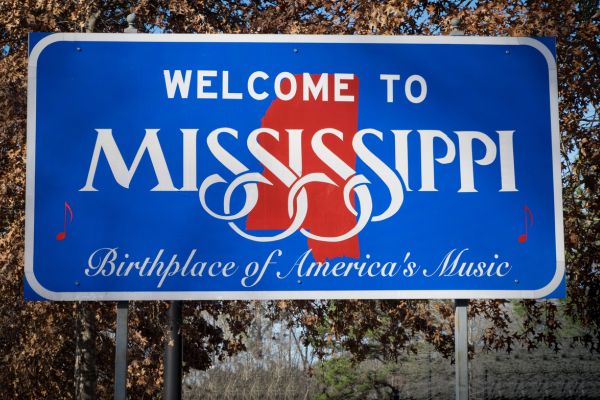
Insurance in Mississippi has a local rhythm to it. It is shaped by river towns, coastal storms, rural highways, older homes, new developments, family farms, small businesses, and communities where people often know their local agent by name. A good Mississippi insurance guide should not feel like a stack of policy forms. It should explain how coverage actually works in daily life, from driving through Jackson traffic to protecting a home near the Gulf Coast or reviewing health and life coverage for a growing family.
Mississippi residents face many of the same insurance questions people ask across the country, but the answers often depend on location, risk, state rules, and the kind of property or lifestyle being protected. That is why understanding local policies, agents, and laws matters. Insurance is not just about buying a policy. It is about knowing what that policy will do when something goes wrong.
Why Insurance Feels Different in Mississippi
Mississippi has a mix of insurance challenges that can feel very personal. Coastal communities worry about hurricanes, wind damage, and flooding. Inland homeowners may be more concerned about tornadoes, fire, roof damage, theft, or liability claims. Drivers need to think about state auto insurance requirements, but also about the real cost of accidents, uninsured drivers, and vehicle repairs.
The Mississippi Insurance Department provides consumer information on auto, homeowners, flood, and other insurance topics, including state law requirements, shopping tips, claim guidance, and ways to lower costs. This makes it an important starting point for residents who want to understand their rights before they compare policies or file a complaint.
What makes Mississippi unique is not one single risk. It is the combination of weather, income differences, property values, rural access, and regional hazards. A policy that works well for someone in Oxford may not be the right fit for a homeowner in Biloxi. Likewise, a renter in Hattiesburg may need a very different insurance plan from a farmer outside Greenville.
Auto Insurance Rules in Mississippi
Auto insurance is one of the clearest examples of how state law affects everyday life. Mississippi drivers are required to carry liability insurance, and common guidance lists the state minimum as $25,000 for bodily injury per person, $50,000 for bodily injury per accident, and $25,000 for property damage.
Those limits may satisfy the legal requirement, but minimum coverage does not always match real-world costs. A serious accident can involve medical bills, vehicle damage, lost wages, and legal claims that exceed basic limits quickly. That is why many Mississippi drivers look beyond the minimum and consider higher liability limits, uninsured motorist coverage, collision, and comprehensive coverage.
The Mississippi Insurance Department’s auto insurance resources include guidance on state requirements, shopping, lowering costs, and filing claims. For drivers, this is useful because auto insurance is not just about avoiding penalties. It is also about protecting yourself from a financial shock after an accident.
Mississippi roads vary widely, from quiet county routes to busy highways and interstates. Rural driving can mean longer emergency response times, wildlife collisions, and higher speeds. Urban driving can mean more congestion and fender benders. These small details can affect the kind of coverage that feels practical.
Homeowners Insurance and Local Property Risks
Homeowners insurance in Mississippi is especially important because property risk can change dramatically by region. A house near the Gulf Coast may need careful review for wind, hurricane deductibles, and flood exposure. A home farther inland may still face severe thunderstorms, hail, tornado damage, fire, and liability concerns.
The Mississippi Insurance Department explains that homeowners insurance can protect against significant financial loss by combining property and liability coverage. In plain terms, this means a homeowners policy may help repair or rebuild a home after covered damage, replace belongings, or provide liability protection if someone is injured on the property.
Still, homeowners should read policy language closely. Roof coverage, named storm deductibles, replacement cost terms, exclusions, and claim procedures can vary. Older homes may also need special attention because replacement costs can be higher than expected, especially when construction prices rise.
For many families, the home is their largest asset. Yet people often renew the same policy year after year without reviewing whether the coverage still matches the house. Renovations, new appliances, additions, detached buildings, and changes in local rebuilding costs can all affect coverage needs.
Flood Insurance Is a Separate Conversation
Flood insurance deserves its own place in any Mississippi insurance guide because standard homeowners insurance usually does not cover flood damage. FEMA explains that homes and businesses in high-risk flood areas with mortgages from government-backed lenders are required to have flood insurance.
This matters in Mississippi because flooding is not limited to coastal neighborhoods. Heavy rain, overflowing creeks, poor drainage, storm surge, and river flooding can all create damage. A home does not have to sit directly on the beach or beside a river to face water risk.
Flood coverage is commonly purchased through the National Flood Insurance Program or private flood insurers. Homeowners should check flood maps, but they should not rely on maps alone. Local history can tell a lot. If nearby roads flood after heavy rain or neighbors have had water enter garages or crawl spaces, that is worth taking seriously.
Flood insurance also has waiting periods in many cases, so it is not something to think about only when a storm is already forming. The better time to review flood risk is during calm weather, when there is space to compare options and read the terms properly.
Renters Insurance Often Gets Overlooked
Renters in Mississippi sometimes assume insurance is mainly a homeowner’s issue. That is a costly misunderstanding. A landlord’s insurance usually protects the building, not the tenant’s personal belongings. If a fire, theft, storm, or water leak damages furniture, electronics, clothing, or other personal items, renters insurance can make a major difference.
Renters insurance may also include liability coverage and additional living expense protection, depending on the policy. That can help if a rental unit becomes temporarily unlivable after a covered loss.
For students, young professionals, families, and retirees who rent, this coverage is often one of the simpler forms of protection to understand. The key is making a realistic estimate of personal property. Many people underestimate how much it would cost to replace everything in a bedroom, kitchen, closet, and living room.
Health, Life, and Business Coverage in Mississippi
Insurance in Mississippi is not only about cars and homes. Health insurance, life insurance, disability coverage, and business policies also play important roles. A family with young children may focus on health coverage and life insurance. A self-employed contractor may need general liability, commercial auto, and workers’ compensation guidance. A small shop owner may need property, liability, cyber, or business interruption coverage.
The right coverage depends heavily on income, dependents, debt, business structure, and risk exposure. For example, a person with a mortgage and children may view life insurance differently from someone who is single with no dependents. A small business that welcomes customers onto its property may have different liability concerns than a home-based consultant.
Business owners in Mississippi should pay close attention to policy exclusions. Flood, wind, equipment breakdown, employee injuries, professional mistakes, and data loss may require different types of coverage. One general policy rarely solves every problem.
Working With Local Insurance Agents
Local agents can be helpful because they often understand Mississippi-specific risks better than a distant call center. An agent in a coastal area may be familiar with wind deductibles and flood discussions. An agent in a rural county may better understand farm vehicles, outbuildings, and long-distance driving. However, consumers should still verify credentials.
The Mississippi Insurance Department advises consumers to protect themselves by verifying whether an agent or company is currently licensed in Mississippi. This is especially important when someone offers unusually cheap coverage, pressures a buyer to act quickly, or avoids clear written answers.
A good agent should explain coverage in ordinary language. They should be willing to discuss deductibles, exclusions, claim steps, and realistic coverage limits. If the conversation feels rushed or confusing, it is reasonable to slow down and ask for written clarification.
Understanding Claims Before You Need One
Many people learn about insurance only after a loss. Unfortunately, that is the hardest time to discover what a policy does or does not cover. Mississippi residents should understand the claims process before damage happens.
That means keeping copies of policies, taking photos of property, saving receipts for major purchases, and creating a home inventory. It also means knowing who to call first after a loss and what emergency repairs are allowed. In many cases, policyholders must protect the property from further damage, but they should also document everything before cleaning up.
For auto claims, drivers should gather photos, police reports when needed, contact information, and insurance details. For home claims, photos before and after temporary repairs can help. The goal is not to become an insurance expert overnight. It is simply to avoid confusion during a stressful moment.
How to Compare Policies Without Getting Lost
Comparing insurance in Mississippi should not begin and end with price. A cheaper policy may have higher deductibles, lower limits, weaker replacement coverage, or exclusions that matter later. Price matters, of course, especially for families balancing tight budgets. But value is more than the monthly premium.
Residents should compare coverage limits, deductibles, exclusions, claim reputation, financial strength, and customer service access. For home insurance, replacement cost coverage is especially important. For auto insurance, liability limits and uninsured motorist protection deserve careful thought. For flood insurance, waiting periods and coverage boundaries should be reviewed clearly.
The most useful question is simple: “What would happen if I had a serious claim?” That question cuts through much of the confusion. If the answer is unclear, the policy needs a closer look.
Mississippi Insurance Guide for Smarter Decisions
A practical Mississippi insurance guide should encourage people to think locally, read carefully, and ask better questions. Insurance is not exciting, and honestly, it is not supposed to be. It is a safety net. The problem is that a safety net only helps when it is strong enough, properly placed, and understood before someone falls.
Mississippi residents have to consider state laws, local weather, property location, driving habits, family needs, and financial limits. No single policy fits everyone. The best approach is to review coverage regularly, verify licensed agents and companies, and avoid assuming that a standard policy covers every risk.
Conclusion
Insurance in Mississippi is closely tied to place. A coastal home, a Delta farm, a Jackson apartment, and a small-town business all carry different risks. That is why the best insurance decisions come from understanding both the policy and the local reality behind it.
A thoughtful Mississippi insurance guide does more than explain requirements. It reminds residents to look at coverage before the storm, accident, illness, or lawsuit arrives. With the right questions, reliable state resources, and careful policy review, insurance becomes less confusing and more useful. It becomes what it was meant to be: quiet protection for the parts of life people cannot afford to lose.