A cracked tooth, infected gums and a routine cleaning might all lead to the same veterinary dental clinic, but pet insurance can treat them as three very different claims. That distinction is the key to understanding pet insurance dental coverage. A policy may pay for an unexpected injury, cover certain newly diagnosed diseases, and still exclude the cleaning your veterinarian recommends every year.
The useful question is not simply, “Does my pet have dental insurance?” It is, “What caused this bill, and which part of my policy applies?” Here is how to separate those costs before an expensive appointment.
Dental accidents: when a tooth is injured
Dental accident coverage generally addresses sudden, unexpected injuries. Imagine your dog fractures a healthy tooth in a fall, or your cat suffers mouth trauma in an accident. Depending on the plan, eligible treatment might include an examination, dental X-rays, extraction, repair, anesthesia and prescribed medication.
Accident-only insurance can sometimes cover injured teeth even when it excludes dental diseases. For example, ASPCA Pet Health Insurance distinguishes accident-only coverage for extraction of injured teeth from broader accident-and-illness coverage. However, not every cracked tooth automatically qualifies: insurers may distinguish accidental trauma from damage associated with chewing habits, existing disease or other excluded circumstances.
For tooth injury pet insurance claims, ask your veterinarian to record how the injury happened, which tooth was affected and whether disease was already present. A clear clinical record can matter as much as the invoice.
Dental illnesses: when the problem develops over time
Dental illness coverage concerns conditions rather than one-time injuries. Depending on the insurer, covered diagnoses may include gingivitis, infected teeth, abscesses, stomatitis or periodontal disease. Necessary extractions and imaging may be eligible when part of treatment for a covered illness.
Do not assume every accident-and-illness policy has equally broad pet dental insurance. Some plans exclude dental illness, restrict eligible procedures or impose a separate benefit limit. Embrace, for example, describes a $1,000-per-policy-year dental illness limit, separate from how it treats dental accidents. This is a plan-specific rule, not an industry-wide standard.
Why periodontal disease coverage needs a closer look
Periodontal disease starts with plaque and inflammation around the gums and can damage tissues supporting teeth. It is common in dogs and cats, and much of the damage occurs below the gumline. The American Veterinary Medical Association recommends a veterinary oral check at least annually.
Periodontal disease coverage is especially sensitive to timing. If earlier veterinary records mention inflamed gums, tartar or loose teeth, an insurer may decide a later claim relates to a pre-existing problem. Some providers also require regular dental examinations and compliance with recommended care. Trupanion, for instance, states that dental coverage depends on annual examinations and following veterinary advice.
That makes your pet’s first insured dental examination important. Request written findings rather than relying on a verbal “teeth look fine.”
Routine cleanings are a different category
A preventive dental cleaning removes plaque and tartar before they cause serious trouble. It usually falls under routine care, which standard accident-and-illness insurance commonly excludes. Toothbrushes, dental diets, chews and ordinary checkups are typically household expenses too.
A wellness or preventive-care add-on may reimburse part of a routine cleaning, but check its annual allowance and added premium. It is not a substitute for dental illness coverage. Conversely, a cleaning prescribed to treat a covered dental disease may be handled differently under some plans, including certain ASPCA coverage. The diagnosis and policy wording make the difference.
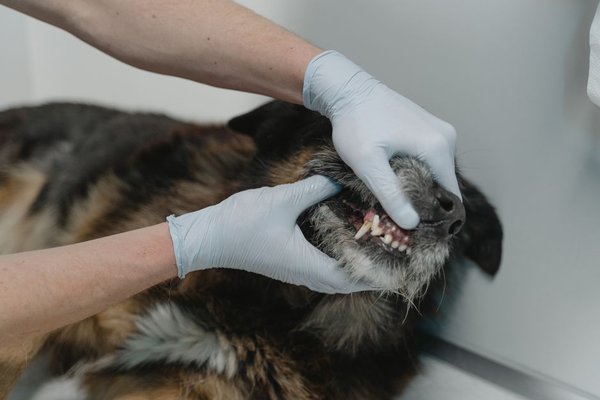
Veterinary cleaning is more than polishing visible teeth. The AVMA explains that thorough assessment often involves anesthesia and may require dental X-rays to evaluate areas below the gumline. Anesthesia-free cosmetic cleaning is not an equivalent substitute.
What can prevent a dental claim from being paid?
Pre-existing symptoms and waiting periods
Insurance usually does not cover conditions present, or showing signs, before applicable coverage begins. A waiting period can delay eligibility for new illness claims. Even without a diagnosis, notes about gum inflammation or painful chewing may affect an insurer’s assessment. Compare pet insurance waiting periods before buying, not after symptoms appear.
Missing care requirements or excluded treatments
Some policies require documented annual dental checks or completion of prescribed care. Others exclude orthodontics, cosmetic restoration, retained baby-tooth removal or routine prophylaxis. Coverage for root canals or crowns cannot be assumed from a general promise of dental benefits.
Deductibles, reimbursement and dental limits
Covered does not mean free. Your deductible, reimbursement percentage, annual limit and dental-specific cap can change the amount returned. If an eligible bill is $900, an illustrative $250 deductible and 80% reimbursement on the remaining $650 would produce $520 back, assuming no other limits or excluded charges. Actual calculations vary by contract. Understanding how pet insurance deductibles work is part of comparing dental benefits.
A practical way to compare policies before treatment
Consider a dog with two appointments. In January, the veterinarian recommends routine cleaning for plaque. In June, the dog fractures a tooth in a documented accident. An accident-and-illness plan might exclude January’s cleaning while covering eligible treatment for June’s injury. If the veterinarian instead diagnoses periodontal disease in June, the insurer examines dental illness terms and earlier records rather than treating it as trauma.
Before choosing a plan, request its sample policy and check five points: whether dental accidents are covered; which diseases qualify; whether cleanings are excluded or covered through wellness benefits; whether exams are mandatory; and whether dental claims have a payout ceiling. Ask for written clarification if “medically necessary dental treatment” seems vague.
Once enrolled, keep dated examination records and itemized estimates. If treatment is planned rather than urgent, ask about a pre-treatment coverage review. Never delay needed veterinary care just to secure an insurance decision.
Frequently asked questions
Does pet insurance cover broken teeth?
Many plans cover eligible accidental dental injuries, potentially including extraction or repair. Coverage depends on what caused the break, when it happened and the policy’s exclusions.
Is periodontal disease covered by pet insurance?
Some accident-and-illness plans provide periodontal disease coverage, while others exclude or limit it. Pre-existing symptoms, waiting periods, dental examination requirements and benefit caps may affect eligibility.
Will pet insurance pay for routine teeth cleaning?
Usually not under standard accident-and-illness coverage. A wellness add-on may provide a preventive benefit, while a cleaning required to treat an insured dental disease may qualify under certain policies.
Should I buy a separate pet dental insurance policy?
First examine the dental provisions in your existing or proposed pet health policy. Dental accident and illness benefits may already be included, while routine care may require a wellness option. Compare actual benefits and costs rather than labels.
The bottom line
Pet insurance dental coverage makes more sense when you separate an injury, a disease and routine prevention. Look for explicit dental illness terms, understand periodontal exclusions and maintain veterinary oral care even when cleanings are not reimbursed. A clear policy and documented dental history offer a stronger basis for protecting your pet’s mouth and evaluating claims.