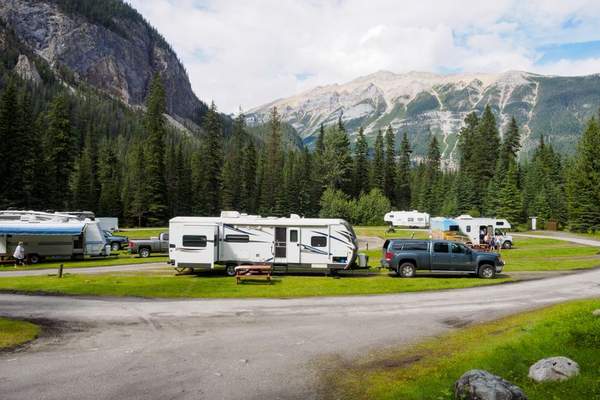
RV ownership can mean two very different things. For some people, it is a base for occasional road trips and summer weekends. For others, the motorhome or trailer is their primary residence, office, and storage space. Those differences matter because standard auto insurance may not protect an RV in the same way a purpose-built policy does. Understanding RV Insurance Coverage: What Full-Time and Weekend RVers Need starts with matching the policy to how the vehicle is built, financed, stored, and used.
Why RV Insurance Is Different From Auto Insurance
An RV combines the risks of a vehicle with those of a temporary or permanent living space. It can be damaged in a crash, but it may also face theft, fire, hail, falling objects, or campsite incidents. Owners often carry electronics, camping equipment, clothing, kitchenware, and other belongings that would not normally travel in a car.
Specialty coverage is designed around this mixed use. Depending on the insurer and state, it may include driving liability, physical damage protection, personal property coverage, campsite liability, roadside assistance, and emergency expenses. Policy wording, limits, and exclusions vary, so the declarations page and full contract matter more than a general coverage label.
Motorhome Insurance Versus Travel Trailer Insurance
Motorized RVs
Class A, Class B, and Class C motorhomes are self-propelled vehicles. Because they are driven on public roads, owners generally need the liability insurance required by their state. Bodily injury liability can help when the insured driver is legally responsible for injuring someone, while property damage liability can respond to damage caused to another person’s vehicle or property.
Motorhome insurance may also offer collision coverage for impact damage and comprehensive coverage for non-collision losses such as theft, vandalism, hail, fire, or falling branches. Medical payments, personal injury protection, and uninsured or underinsured motorist coverage may be available or required depending on the state.
Towable RVs
Travel trailer insurance works differently because the trailer is pulled by another vehicle. The tow vehicle’s liability coverage generally responds when the driver is legally responsible for a road accident, but that does not mean the trailer itself is fully protected. A dedicated travel trailer policy can provide collision and comprehensive protection, plus coverage for belongings, emergency expenses, or campsite liability when offered.
Trailer insurance may not be required by state law, but a lender can require physical damage coverage while it is financed. Owners should also confirm that their tow vehicle policy permits the trailer’s size, weight, and use.
Essential Coverage for Weekend RVers
Weekend RVers normally use their vehicle for vacations, seasonal travel, and short road trips rather than as a permanent home. Their policy should still reflect the RV’s value and the financial consequences of a serious accident or loss.
Liability coverage is central for motorhomes. Collision and comprehensive coverage become especially important for newer, financed, or high-value RVs. Vacation liability is another useful option because it may cover injuries or property damage for which the owner is responsible while the RV is parked and used as a temporary residence. For example, a guest could fall on the steps at a campsite.
Weekend travelers should also consider personal effects coverage. Homeowners or renters insurance might provide some off-premises protection, but deductibles, item limits, and exclusions can reduce what is paid. An RV policy may be a better fit for camping gear, portable electronics, tools, and belongings routinely kept inside.
What Full-Time RV Insurance Adds
Full-time RV insurance is intended for people who use a motorhome or travel trailer as their primary residence. Insurers apply their own definitions, sometimes based on the number of months spent in the RV each year. Owners should answer usage questions accurately because occasional-use coverage may not be suitable when the RV functions as a home.
Full-timer coverage may include broader personal liability protection for incidents around the parked RV, medical payments for injured visitors, and loss assessment coverage for certain charges imposed by an RV park or association. This can resemble parts of homeowners or renters insurance, although it is not identical.
Full-time travelers should pay close attention to belongings, temporary living expenses, storage arrangements, and the address used for garaging and registration. Remote work equipment, jewelry, and expensive hobby gear may require separate limits. Frequent travelers should also ask how the insurer handles domicile, extended stays, and travel across state or national borders.
Optional Protections Worth Comparing
Replacement Cost and Agreed Value
Settlement terms matter after a total loss. Actual cash value generally reflects depreciation, while agreed value or total-loss replacement options may use a different basis for payment. Eligibility can depend on the RV’s age and condition.
Roadside Assistance and Trip Interruption
RVs can require heavy-duty towing and specialized repair facilities. RV-specific roadside assistance may cover towing, tire service, battery help, fuel delivery, or locksmith services within stated limits. Trip interruption coverage may help with lodging, transport, or meals after a covered incident away from home.
Choosing Limits and Deductibles
Begin with the amount you could afford to lose, not simply the lowest premium. Higher deductibles can reduce the price but increase the cash needed after a claim. Liability limits should reflect the possible cost of serious injuries, property damage, and legal defense rather than only the state minimum.
Compare quotes using the same limits, deductibles, settlement method, and optional benefits. Ask whether coverage applies while the RV is stored, rented to others, used for business, occupied full-time, or taken outside the United States. Discounts may help, but they should not replace necessary protection.
Common RV Insurance Mistakes
One frequent mistake is failing to disclose full-time occupancy. Another is relying entirely on the tow vehicle’s policy for a valuable trailer. Owners may also underestimate personal property, overlook roof or water-damage exclusions, or assume every breakdown is insured. Wear, maintenance problems, deterioration, and pre-existing damage are commonly outside standard physical damage coverage.
Frequently Asked Questions
Is RV insurance legally required?
Motorhomes generally must carry the state-required insurance that applies to registered motor vehicles. A towable trailer may not require its own liability policy, but the tow vehicle must be properly insured, and a lender may require physical damage coverage.
Does car insurance cover a travel trailer?
The tow vehicle’s liability coverage may extend to an accident involving the trailer, subject to the policy and state law. It usually does not provide complete protection for damage to the trailer, its contents, or campsite risks.
When is full-time RV insurance appropriate?
Anyone using an RV as a primary residence, or for enough months to meet an insurer’s full-time definition, should discuss full-timer coverage before changing their living arrangement.
Does RV insurance cover personal belongings?
It can, but limits and exclusions vary. Check whether claims are settled at actual cash value or replacement cost and whether high-value items need separate scheduling.
Conclusion
The right RV insurance depends less on the vehicle’s label and more on how life happens inside and around it. Weekend travelers need protection for driving, physical damage, belongings, and campsite liability. Full-time RVers usually need broader residential-style liability and personal property protection. Comparing identical terms, disclosing usage honestly, and reviewing exclusions carefully can produce a policy that supports both everyday living and the freedom of the open road.